

1: Definition and function of shaft sleeve
1.1 Definition
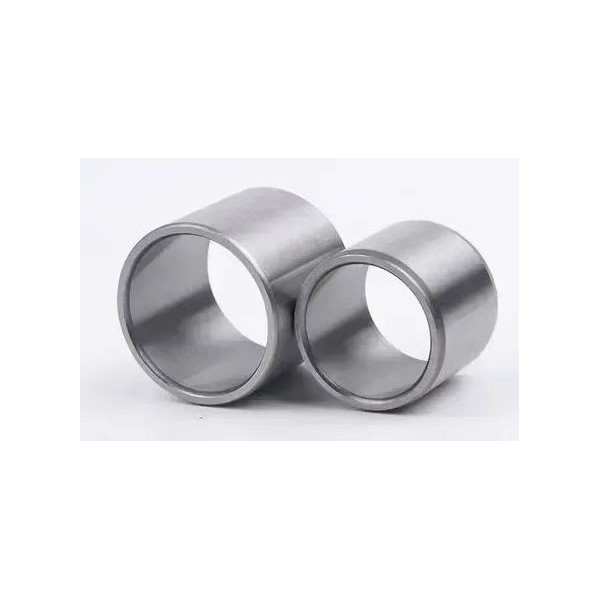
Bushing, also known as bushings or bushings, is a mechanical component installed between a shaft and a bearing. It is usually made of metal, polymer or other wear-resistant materials, mainly used to protect shafts and bearings from direct friction, while ensuring appropriate clearance between the two.
1.2 Structural Features
Shape: The shaft sleeve is generally cylindrical or conical in shape, with an inner hole that matches the shaft and an outer diameter that matches the bearing seat or housing.
Material selection:
Metal shaft sleeve: such as bronze, brass, stainless steel, etc., with high strength and wear resistance, suitable for high load and high temperature environments.
Polymer shaft sleeves: such as polytetrafluoroethylene (PTFE), nylon, polyoxymethylene (POM), etc., have good self-lubricating and corrosion-resistant properties, suitable for low-speed and light load conditions.
Composite material shaft sleeve: Combining the advantages of metal and non-metal materials, it not only ensures strength, but also improves wear resistance and vibration reduction performance.
1.3 Functions and advantages
Reduce wear and friction: By forming an isolation layer between the shaft and bearing, it effectively reduces the wear and friction caused by direct contact.
Load bearing capacity: able to withstand radial and axial forces from the shaft and bearings, ensuring stable operation of the equipment.
Compensation tolerance: When there is a manufacturing tolerance between the shaft and the bearing, the shaft sleeve can provide compensation to ensure assembly accuracy.
Simplified maintenance: easy to disassemble and replace, convenient for daily maintenance and repair.
2: Definition and Function of Couplings
2.1 Definition
Coupling is a mechanical device used to connect two shafts to transmit torque and speed. It can not only achieve power transmission, but also adjust the relative position between the two shafts to a certain extent, absorb vibration and impact, and protect the transmission system from overload damage.
2.2 Structural Features
Basic structure: Composed of two wheels and a connecting element in the middle, the wheels are fixed on two shafts respectively, and the connecting element is responsible for transmitting torque.
Type classification:
Rigid couplings, such as flange couplings, sleeve couplings, etc., have a simple structure and are suitable for high-precision applications, but cannot compensate for offset and angular deviation.
Elastic coupling: such as diaphragm coupling, plum blossom elastic coupling, etc., with built-in elastic elements that can absorb vibration and impact, allowing for a certain range of axis deviation.
Sliding block coupling: By connecting two shafts through sliding blocks, it can compensate for axis deviation and angular deviation over a large range.
Gear coupling: using gear pairs to transmit torque, suitable for high-power, high-speed transmission systems, with high load-bearing capacity and reliability.
2.3 Functions and advantages
Transmitting torque and speed: Ensure that both shafts rotate synchronously to maintain power continuity.
Vibration absorption and damping: Built in elastic components or special designs can effectively absorb vibrations and impacts, extending equipment life.
Compensate for offset: Allow two axes to have parallel, angular, or comprehensive offset within a certain range, improving installation and usage flexibility.
Overload protection: Some couplings have overload disengagement or torque limiting functions to prevent damage to the transmission system due to unexpected situations.
3: The main difference between shaft sleeve and coupling
3.1 Differences in Definition and Function
Shaft sleeve: Its main function is to connect the shaft and bearing, reduce wear and friction, carry loads, and compensate for tolerances. It does not involve the transmission of torque and speed.
Couplings: mainly used to connect two shafts, transmit torque and speed, and have functions such as vibration absorption, damping, and compensating for offset.
3.2 Structural Differences
Shaft sleeve: usually a single cylindrical or conical structure, with an inner hole that matches the shaft and an outer diameter that matches the bearing seat or housing. There are various materials available, including metals, polymers, etc.
Coupling: composed of two wheel hubs and a connecting element in the middle, with a complex and versatile structure. According to different needs, there are various types such as rigid, elastic, slider, gear, etc.
3.3 Differences in Application Scenarios
Shaft sleeve: widely used in various mechanical equipment, especially in parts that require frequent rotation and low friction, such as automobile engines, motors, agricultural machinery, etc.
Couplings: More commonly used in transmission devices, especially for equipment that requires the transmission of large torque and speed, such as pumps, fans, compressors, mixers, etc.
4: Analysis of actual application scenarios
4.1 Application in Blenders
Shaft sleeve: In mixers, shaft sleeves are usually used to connect the mixing shaft and bearings, reducing wear and friction, and ensuring a good fit between the shaft and bearings. Due to the long-term operation of the mixing shaft, the presence of the shaft sleeve can effectively extend the bearing life and reduce maintenance costs.
Couplings: Couplings are used to connect the drive shaft and mixing shaft of the mixer, ensuring that they can operate synchronously. In addition, the coupling also has certain buffering and shock-absorbing functions, which can absorb impact at the moment of starting or stopping, protecting the entire transmission system from damage.
4.2 Applications in Pump Equipment
Shaft sleeve: In pump equipment such as centrifugal pumps and gear pumps, shaft sleeves are often installed between the pump shaft and bearings to provide support and protection. Especially when transporting corrosive media, it is crucial to choose the appropriate shaft sleeve material, such as corrosion-resistant stainless steel or plastic shaft sleeves.
Couplings: Couplings are used to connect the motor output shaft and pump shaft, ensuring synchronous rotation between the two. Considering the special working conditions of pump equipment, elastic couplings with good vibration absorption performance are often selected to reduce the impact of vibration on the pump body and improve work efficiency.
4.3 Application in fans
Shaft sleeve: In centrifugal fans, axial fans and other fan equipment, shaft sleeves are also used to connect shafts and bearings, ensuring good fit between shafts and bearings. Especially in high-temperature and high-speed working conditions, it is particularly important to choose shaft sleeve materials that are resistant to high temperatures and wear.
Couplings: Couplings are used to connect the motor output shaft and the fan shaft, ensuring synchronous rotation between the two. Due to the significant vibration and impact generated by the fan during operation, couplings with good vibration absorption performance, such as diaphragm couplings or plum blossom elastic couplings, are usually selected to protect the transmission system from damage.
4.4 Applications in Compressors
Shaft sleeve: In reciprocating compressors, screw compressors and other compressor equipment, the shaft sleeve is used to connect the piston rod and the bearing, ensuring a good fit between the piston rod and the bearing. Due to the harsh working environment of compressors, it is very important to choose high pressure resistant and wear-resistant shaft sleeve materials, such as bronze or stainless steel shaft sleeves.
Couplings: Couplings are used to connect the motor output shaft and the compressor crankshaft, ensuring synchronous rotation between the two. Considering the high load conditions of the compressor, couplings with high load-bearing capacity and reliability, such as gear couplings or diaphragm couplings, are usually selected to ensure the stability of the transmission system.
5: Summary
In summary, there are significant differences between shaft sleeves and couplings in terms of definition, structure, function, and application scenarios. Shaft sleeves are mainly used to connect shafts and bearings, reducing wear and friction, while couplings are used to connect two shafts, transmit torque and speed, and have functions such as vibration absorption and damping. In practical applications, selecting appropriate shaft sleeves and couplings is crucial for ensuring the normal operation and efficient performance of equipment.