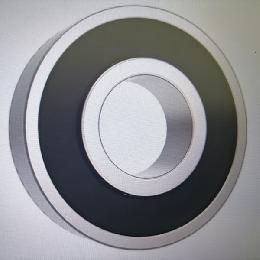
Food production rolls along smoothly on these bearings. Greased with FDA-compliant lubricant, they’re safe to install on food-processing equipment, such as conveyor belts, so long as they don’t directly touch the food. The lubricant is a solid material that fills the space between the balls and releases oil over time, so you'll never need to add more. Sealed — The best choice for dirty environments. A barrier seals out dust so it won't gunk up or wear down the balls. However, these bearings retain the most heat since air can't flow through. Corrosion - Resistant 440C Stainless Steel — Combine the strength of steel with the corrosion resistance of stainless steel. These bearings won't degrade from water or mild chemicals, such as the ammonia in cleaning solutions. However, they'll weaken when exposed to salt water and harsh chemicals, such as bleach. ABEC Rating — Bearings with an ABEC rating meet industry tolerance standards established by the Annular Bearing Engineers Committee (ABEC). They're rated on a scale from 1 to 9. The higher the rating, the tighter the tolerance. Bearings rated ABEC 1 or 3 are precise enough for most applications. If your application consistently runs at high speeds or requires high accuracy, consider bearings rated ABEC 5 or higher, since they generate less friction and heat.